Eyas's Blog

Latests Posts

How to Respond to Fire; Asserting the Self while Avoiding Hypocrisy
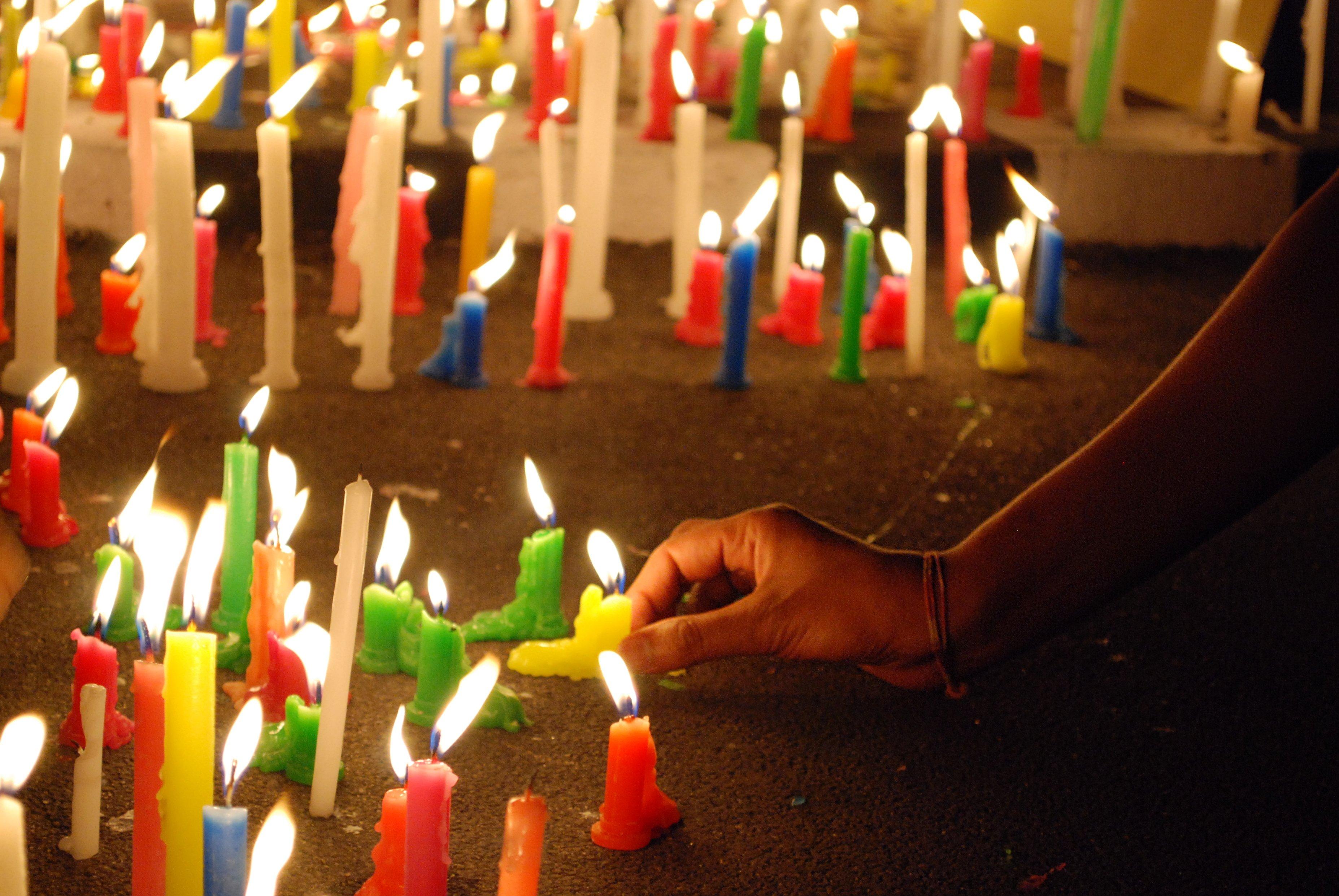
"In Remembrance" by Alosh BennettCC BY-2.0

It is difficult to overcome the shock generated by the brutal assassination of Lt. Moath Kasasbeh. Indeed in many ways, I—and many like me—have yet to do so. Throughout the ordeal which was brought some closure by the awful news Tuesday, Jordanians, Arabs, and Muslims alike were of many minds. From anger towards ISIS to self-questioning of the country’s role in in the anti-ISIS coalition; from a proportionally cruel response to a calculated power-play, or a pragmatic non-response; from an impulse to double-down on the offense to withdrawing from intervention; we have felt it all, thought it all, and wanted it all.

The need to bring retribution onto those who are too cruel to even respect the last moment of another human is eating at all of us. How could one possibly bring appropriate retribution onto inhumane organizations without descending to proportional inhumanity? How do we resist blood thirsty revenge while still asserting that we—the honorable, peace-loving people of the world—exit, that we have might, that we have true red-lines that cannot be crossed? How does one assert anything when up against a force that it itself uses violence and terror?

Read more →

"We Come in Peace" - War, Fear, and How You Can Help

Portion of the Pioneer 10 and 11 Plaque. The man is holding his hand as a gesture of peace..Public Domain (US Government work)
Imagine you are among the first settler colonial humans to discover extraterrestrial life. You have landed somewhere in a distant planet, disembarked, and were going about your daily tasks as you encounter the first signs. Some seemingly sentient, intelligent creature approaches you. It looks different, nothing like you or anyone you’ve seen, not even like a reptile or sea creature. It approaches.

You might be afraid—you have no means of communicating with this creature. Your first thought is to reassure it: “I come in peace,” you could proclaim… not that it would understand.

Read more →

More Nuance and Maturity Required in Arguments against NSA Surveillance

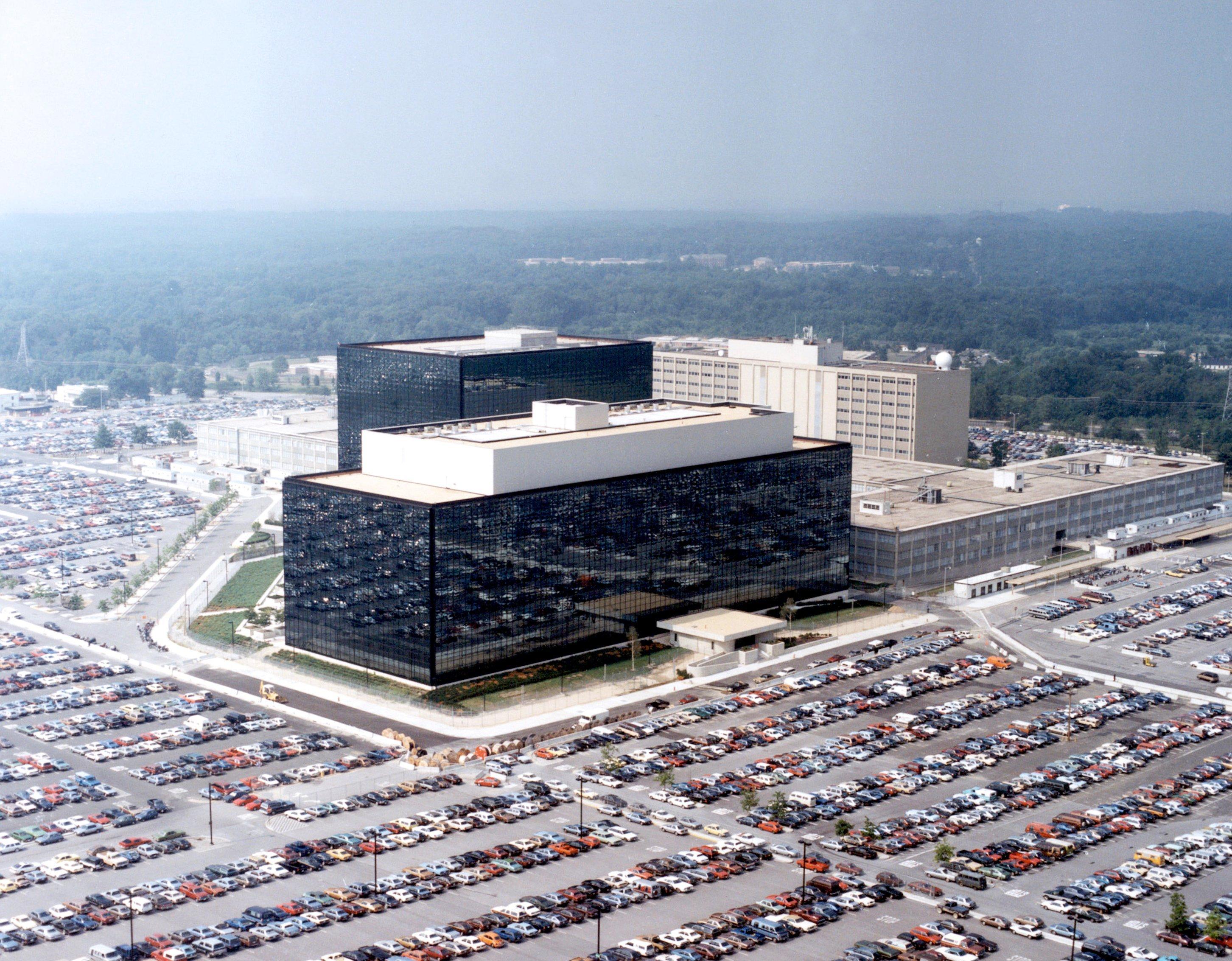
National Security Agency headquarters, Fort Meade, MarylandPublic Domain

Like many, I feel uncomfortable with much of the information revealed about the NSA’s surveillance program. The reach and scale of the program are alarming at best, and for many of us, it demonstrates an unjustified attack on the right to privacy. Yet, as I read the arguments leveled against the NSA and other spy agencies for their surveillance programs, I find it hard to identify with or feel represented by any of these arguments: they seem somewhat lacking at best, and likely, fallacious. I am writing this post to demonstrate the flaws with most popular arguments against spying, surveillance, and the NSA. The goal—I hope—is clear: a call for more nuanced arguments that more clearly define why and to what extent is the NSA surveillance program ‘wrong’.

The most common arguments against the NSA are variations of the following:

Read more →

The Subscription Model is the Future of Software—and for good reason

Floppy Disks by jm3 on Flickr.CC BY-SA 2.0

Microsoft recently announced the launch of Office for iPad. Many people took note about the pricing model behind Office for iPad: the apps are free to download, and the user can open and view documents, spreadsheets, and presentations for free, but must pay for an Office 365 subscription to edit these files. Many have taken notice.

At Microsoft, the move to a subscription-based model has been going on for some time. Office 365 was launched in 2011. With Office 2013, the move towards the subscription model has been consummated: a user with an Office 365 subscription can use click-to-run to stream any Office app on any machine, and has access to the latest bits of the software at all times.

Read more →

Alhamdulillah - What one simple phrase tells us about Islam's core conceptions of justice

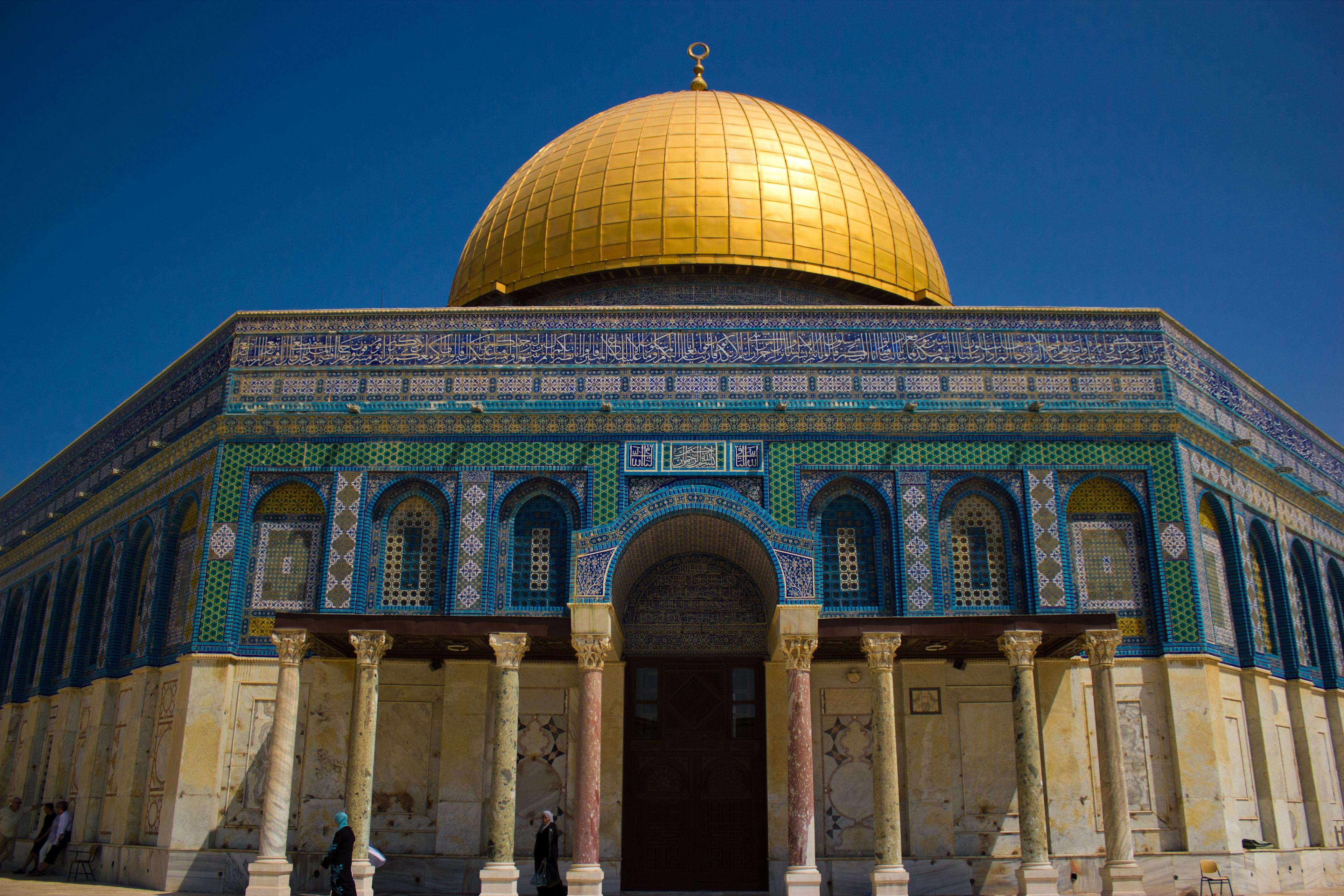
Dome of the Rock in Jerusalem, by Victorgrigas on Wikipedia.CC BY-SA 3.0.

I recently stumbled across a story from Jerusalem in the early days of the British Mandate of Palestine. Concerns over ethnic and religious tensions between the inhabitants of Jerusalem lead the British to restrict access to holy sites by religion. British guards were now seen in quarters of Jerusalem asking for the religious identity of the passers-by before allowing them in.

In front of the Dome of the Rock, a guard would stand and ask “Musliman?”—meaning, are you a Muslim?—and if the passer by is indeed Muslim, they would respond “Musliman, alhamdulillah.”—’I am a Muslim, thank God’.

Read more →

11017